
Plan it at first fix, not after the plaster dries.
Smart home wiring should be installed during the electrical first fix stage of your renovation, before plastering and before second fix electrics. Leave it later and you increase costs, limit performance, and accept visible compromises. If you are renovating your forever home, integrate smart technology from the start.
When Should Smart Home Wiring Be Installed?
The simple answer is during the first fix, while the walls and ceilings are open.
That is the moment when your home has maximum flexibility and minimum constraint. After plasterboard goes on and floors are laid, every change becomes slower, messier and more expensive.
We regularly see homeowners invest heavily in architecture, glazing, kitchens and finishes. Then, near the end of the project, someone asks about smart lighting systems, home cinema wiring or whole-home Wi-Fi. By then, the smart home installation timing has already been missed.
If you’re serious about smart home wiring during renovation, the planning must happen early.
What is First Fix and Why Does it Matter?
The electrical first fix is the stage where:
- Cables run through walls, ceilings and floors
- Back boxes are installed
- Consumer unit positions are confirmed
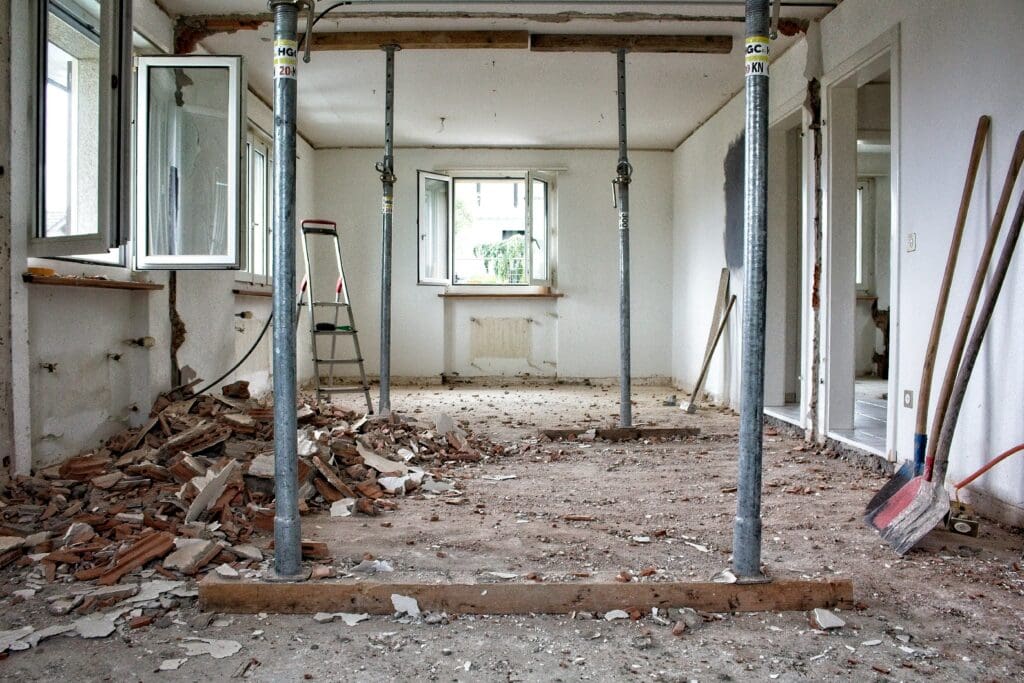
- No plaster or finished surfaces are in place
This is the only stage where structured cabling can be installed cleanly without disruption.
Smart homes depend on infrastructure. Centralised lighting panels need cable routes. Data networks need planned runs. Speaker cabling must be concealed. Once plastering begins, flexibility disappears.
If you are thinking about first-fix smart home installation, this is the window.
What Needs Wiring During Renovation?
A proper smart home is not a collection of gadgets. It is a coordinated system. That system depends on wiring.
Smart Lighting Systems
Lighting is usually the starting point.
If you want scene control keypads, centralised dimming panels or lighting circuits returning to a panel instead of individual switches, this must be designed before the electrical first fix.
Standard wiring is rarely sufficient for advanced lighting control. If the electrician wires traditionally and you decide later to upgrade, you either compromise the system or face rework.
This is where smart home installation timing becomes critical.
Data and Structured Cabling
Reliable home automation relies on structured cabling.
In most wiring for home automation UK projects, we install Cat6 or Cat6a cabling throughout the property. This supports:
- Hardwired data points
- Proper Wi-Fi access point placement
- TV streaming and media distribution
- Home office stability
- Future upgrades
Mesh-only Wi-Fi systems often struggle in larger or high-spec homes. Thick insulation, steelwork and underfloor heating all affect the signal.
A wired backbone with wireless flexibility layered on top delivers long-term performance.
Home Cinema and Media Rooms
Home cinema wiring must be considered before plaster.
Speaker cabling, HDMI over fibre and equipment rack locations all require planning. Acoustic considerations are also far easier before surfaces are finished.
We often see stunning interiors compromised because pre-wiring was overlooked.
If you are planning a media room, treat it as infrastructure, not decoration.
Security and Entry Systems
CCTV cabling, smart door entry and gate automation all benefit from first-fix installation.
Wireless cameras can work, but battery maintenance and signal limitations remain. Hardwired systems offer reliability and stability.
Smart home wiring during renovation avoids visible cabling and ensures equipment is positioned correctly from the start.
What Happens If You Leave It Too Late?
This is where renovation mistakes become expensive.
Higher Costs
Retrofitting means chasing walls after plastering. Redecoration follows. Labour is duplicated.
Retrofit smart home costs are almost always significantly higher than installing correctly during the first fix.
Visible Compromises
Surface trunking appears. Wireless-only systems are used where wired systems would perform better. Equipment ends up squeezed into cupboards with poor ventilation.
If you are investing in high-end finishes, this undermines the result.
Limited Capability
Without planned infrastructure:
- Centralised lighting may not be possible
- Wi-Fi coverage becomes inconsistent
- Equipment rack space is an afterthought
- Future expansion is restricted
Smart home wiring during renovation protects both performance and aesthetics.
The Ideal Renovation Timeline for Smart Home Installation
The sequence should look like this:
- Architectural design stage
- Smart home consultation and system design
- Electrical first fix installation
- Plastering
- Second fix and hardware installation
- Programming and commissioning
Smart home wiring must be integrated into overall home renovation planning.
For homeowners who want to get this right from the outset, our Quotation & Planning service ensures smart home wiring is coordinated alongside your builder and electrician before first fix begins.
Who Should Coordinate Smart Home Wiring?
Builders build. Electricians wire to specification. Smart integrators design system architecture.
An electrician will install what is specified. They do not typically design the wider automation ecosystem.
A smart integrator considers:
- Lighting control topology
- Network architecture
- Rack design
- Ventilation
- Future scalability
Without coordination, cable routes are missed and equipment spaces are undersized.
Smart home installation timing must be agreed before cables are run.
Is Wireless Ever Enough?
Wireless has its place.
For small upgrades or single-room automation, it can work well.
However, in premium renovations, a wired backbone remains the standard.
Hardwired infrastructure offers:
- Greater reliability
- Faster speeds
- Lower latency
- Better resale value
- Long-term scalability
The most effective approach is wired infrastructure with wireless layered on top.
Future-Proofing Your Forever Home
If you are renovating once and planning to stay long term, think ahead.
EV chargers require load management integration. Solar and battery storage benefit from communication with other systems. Outdoor lighting, garden rooms and home office expansion all depend on connectivity.
Structured cabling installed now provides flexibility later.
Electrical work in UK homes must comply with Part P of the Building Regulations. Further information is available via NICEIC.
Compliance is mandatory. Planning is strategic.
Final Thoughts
When should smart home wiring be installed?
During the electrical first fix. Before plastering. Before the second fix electrics.
This ensures:
- Clean installation
- Lower overall costs
- Maximum system capability
- No visible compromises
If you are planning a renovation and want to avoid expensive retrofit mistakes, speak with us before first fix begins.
Start with a structured consultation via our Quotation & Planning service.
Or contact us directly to discuss your renovation timeline.
